Our Forest
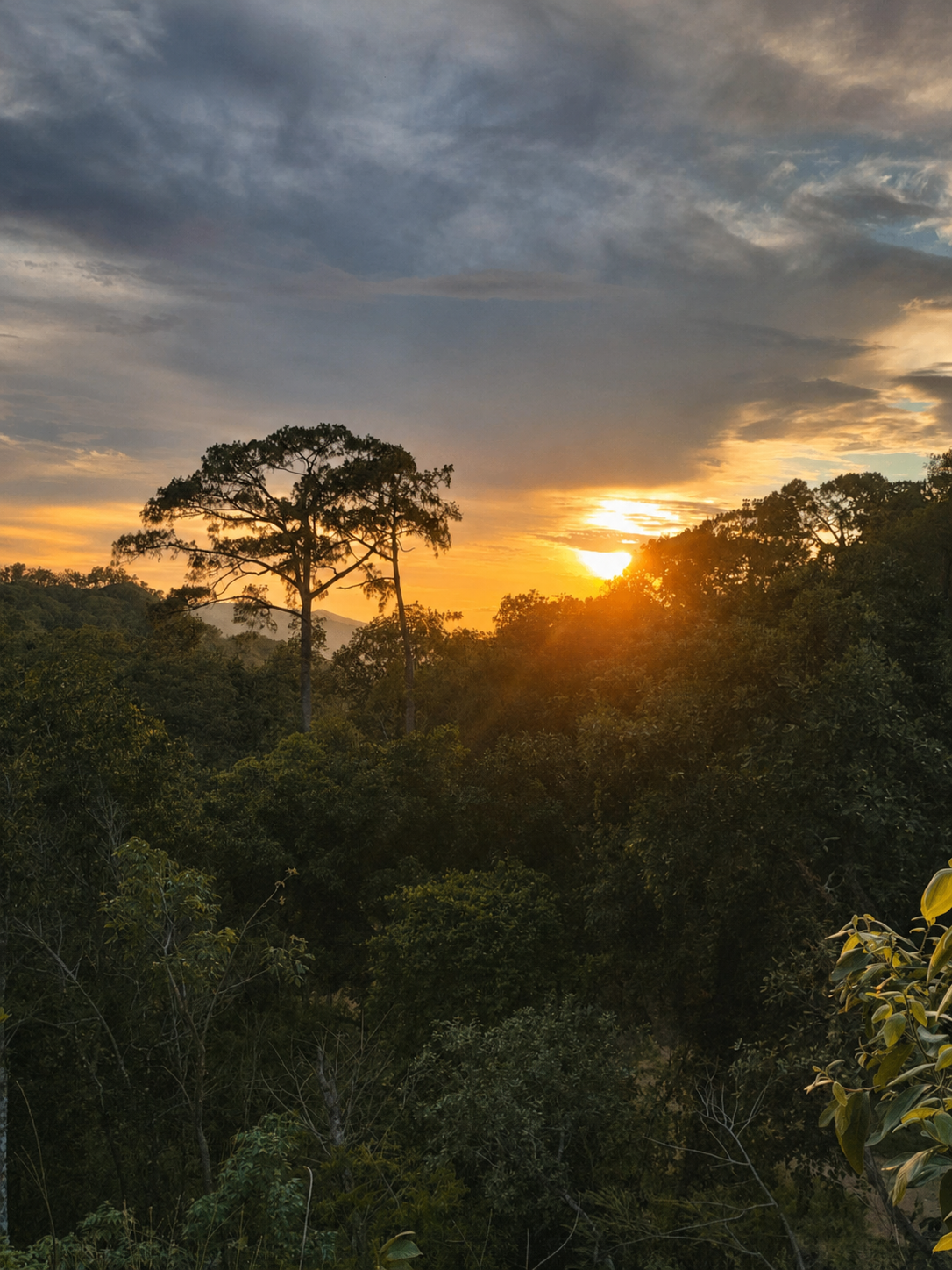
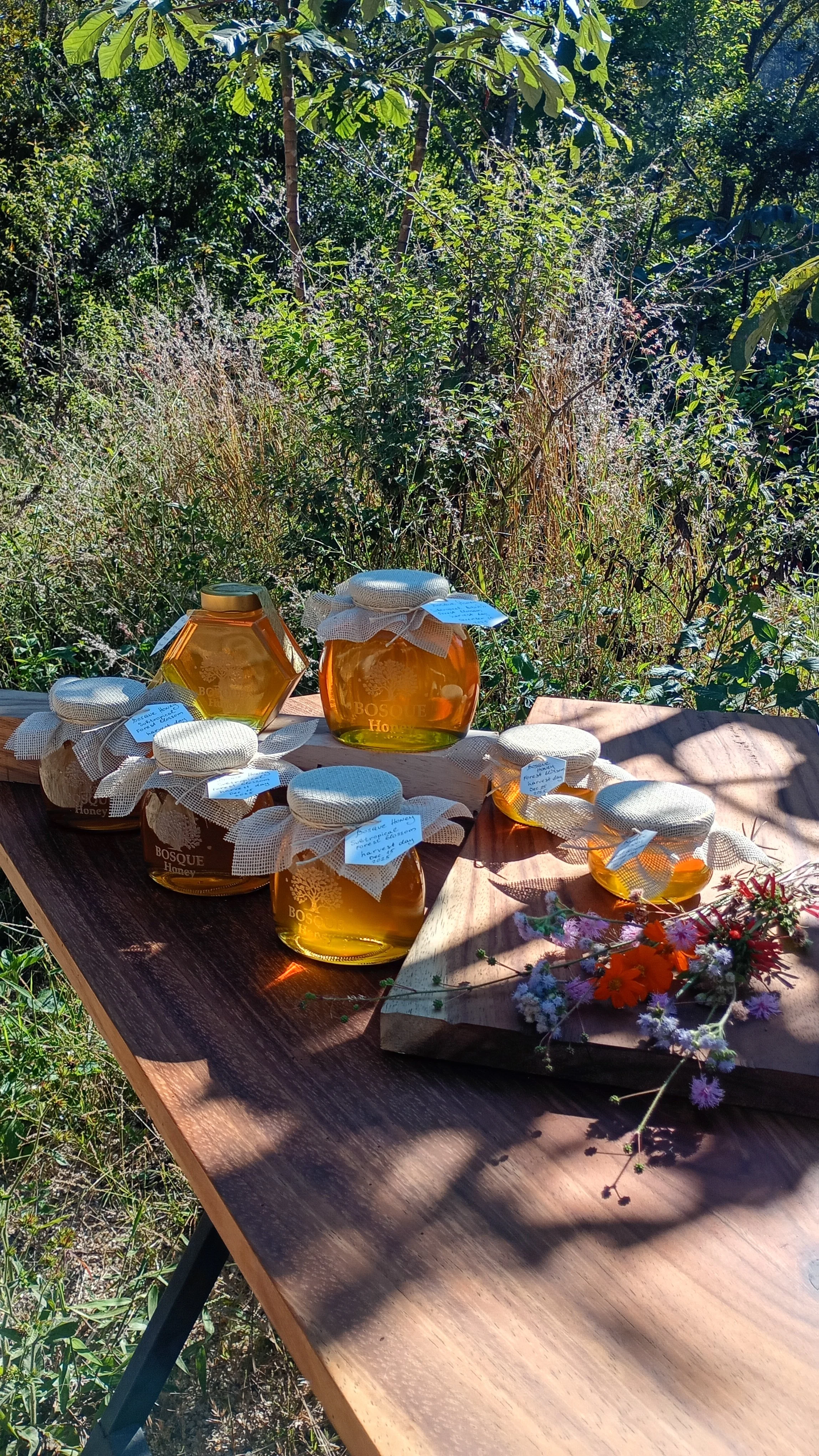
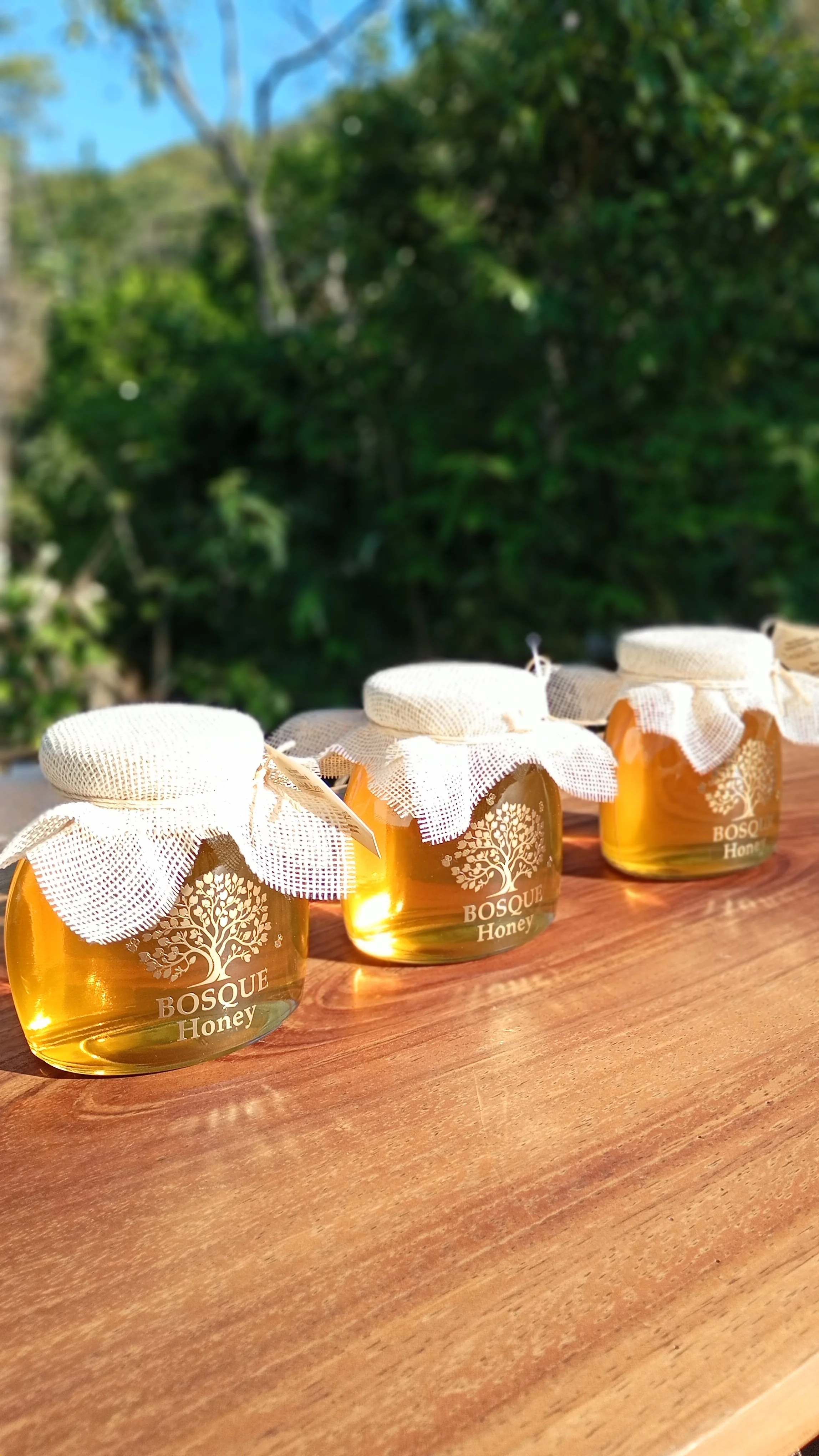
At around 1,000 meters above sea level, in the remote Pacific-coast mountains of Cabo Corrientes, our beehives are surrounded by an extraordinary forest of native trees.
Far from cities and industry, these trees bloom briefly each season. Their rare blossoms give every honey harvest its own distinctive character—a true expression of this mountain forest.
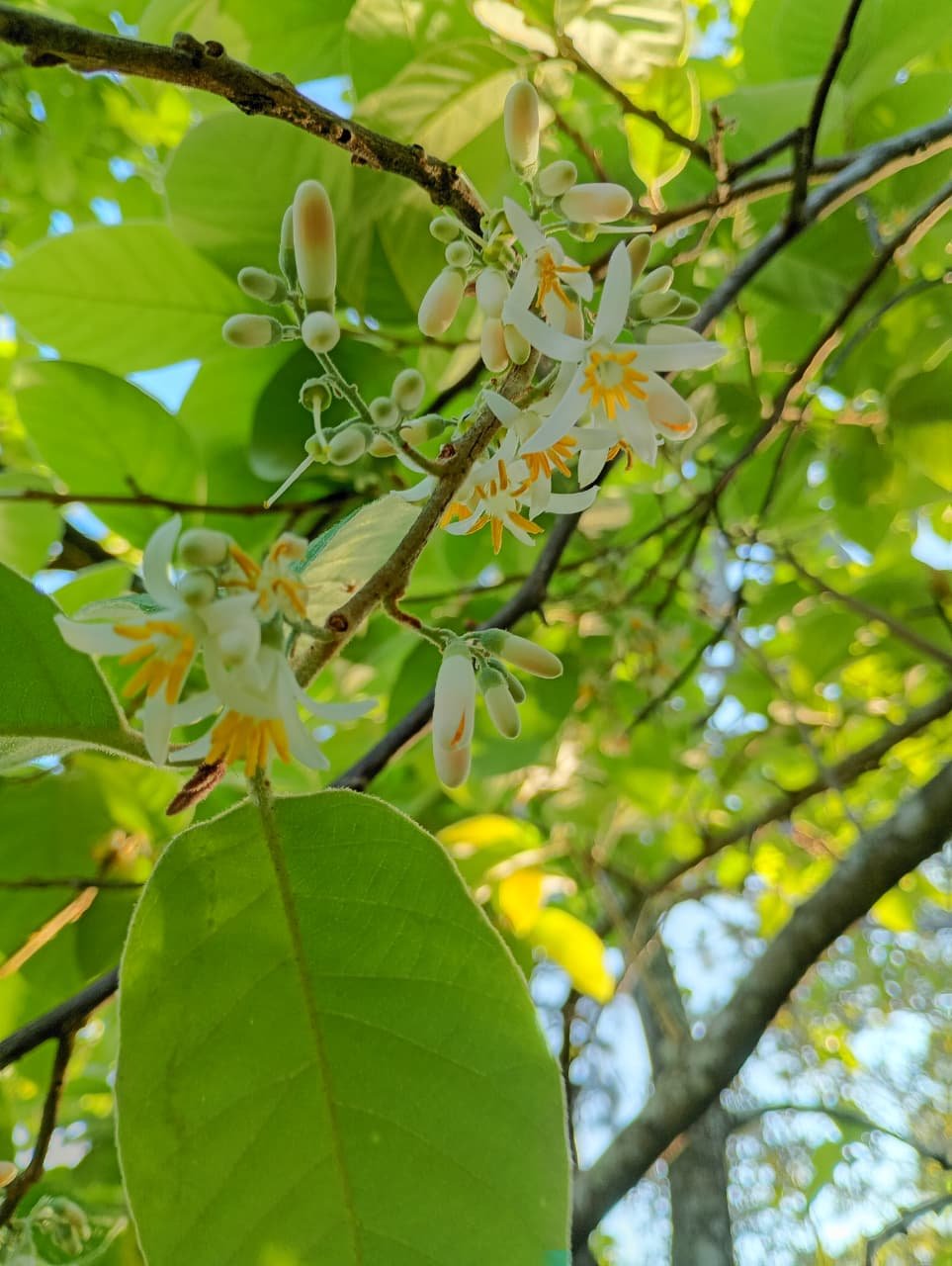
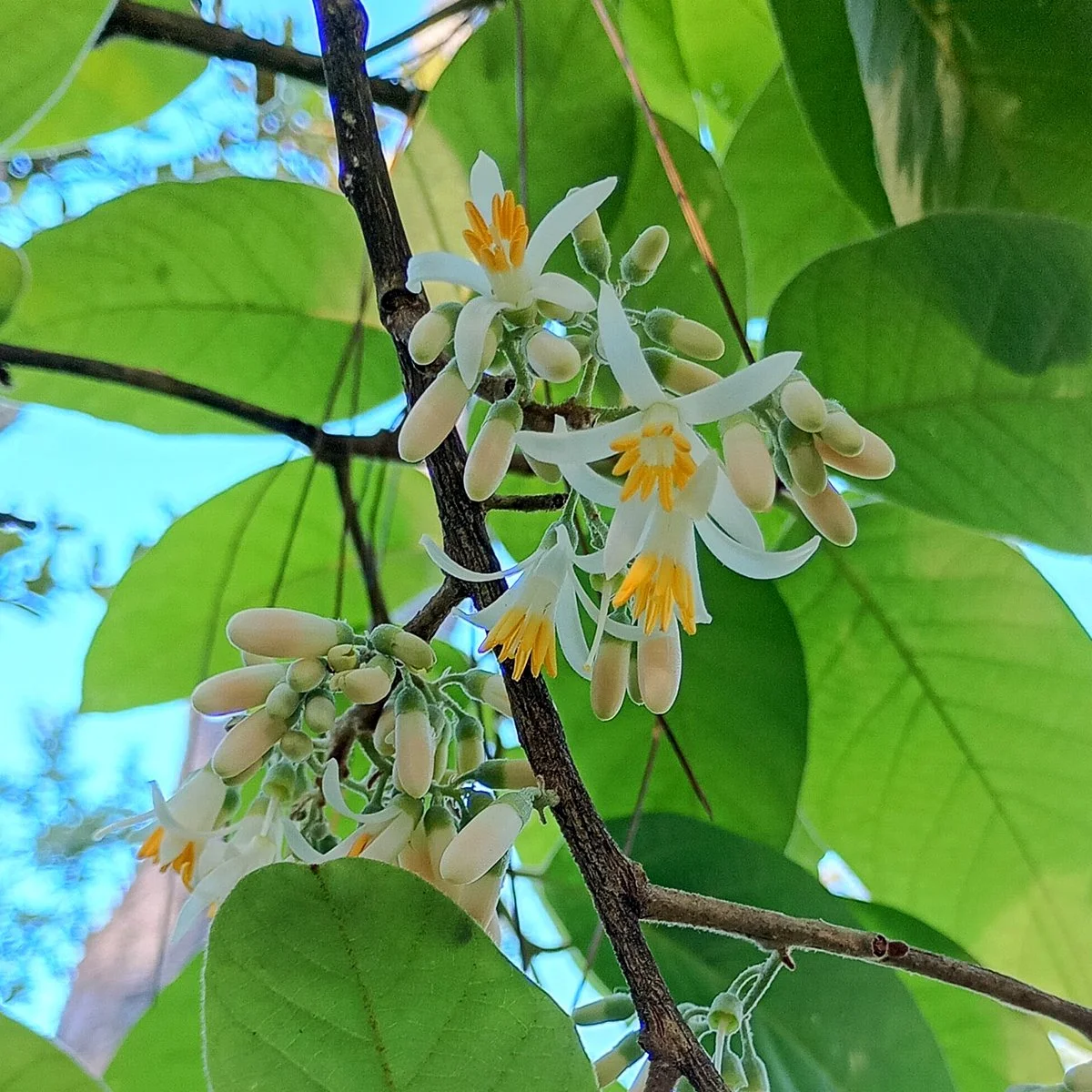
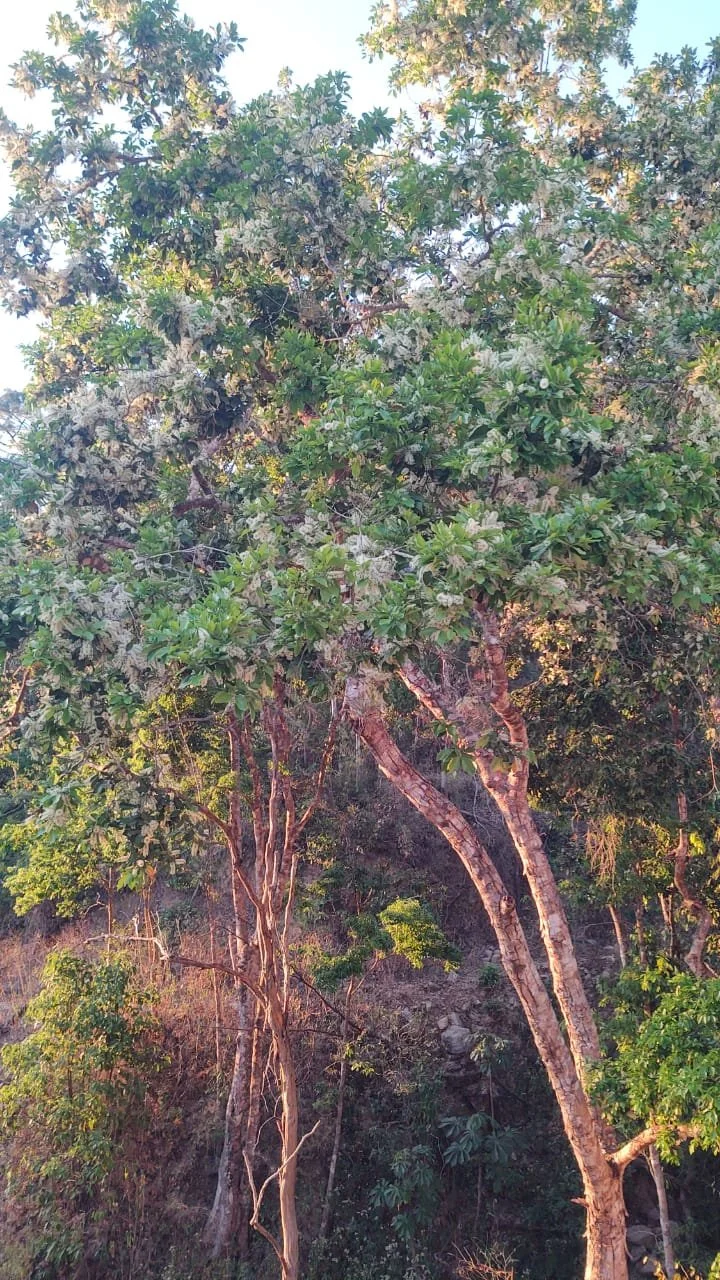
Known botanically as Styrax radians, this distinctive Snowbell tree is listed as Near Threatened on the IUCN Red List.
In our forest, its winter bloom begins around December. The delicate white flowers hang like tiny bells and release a very soft, pleasant fragrance beneath the canopy.
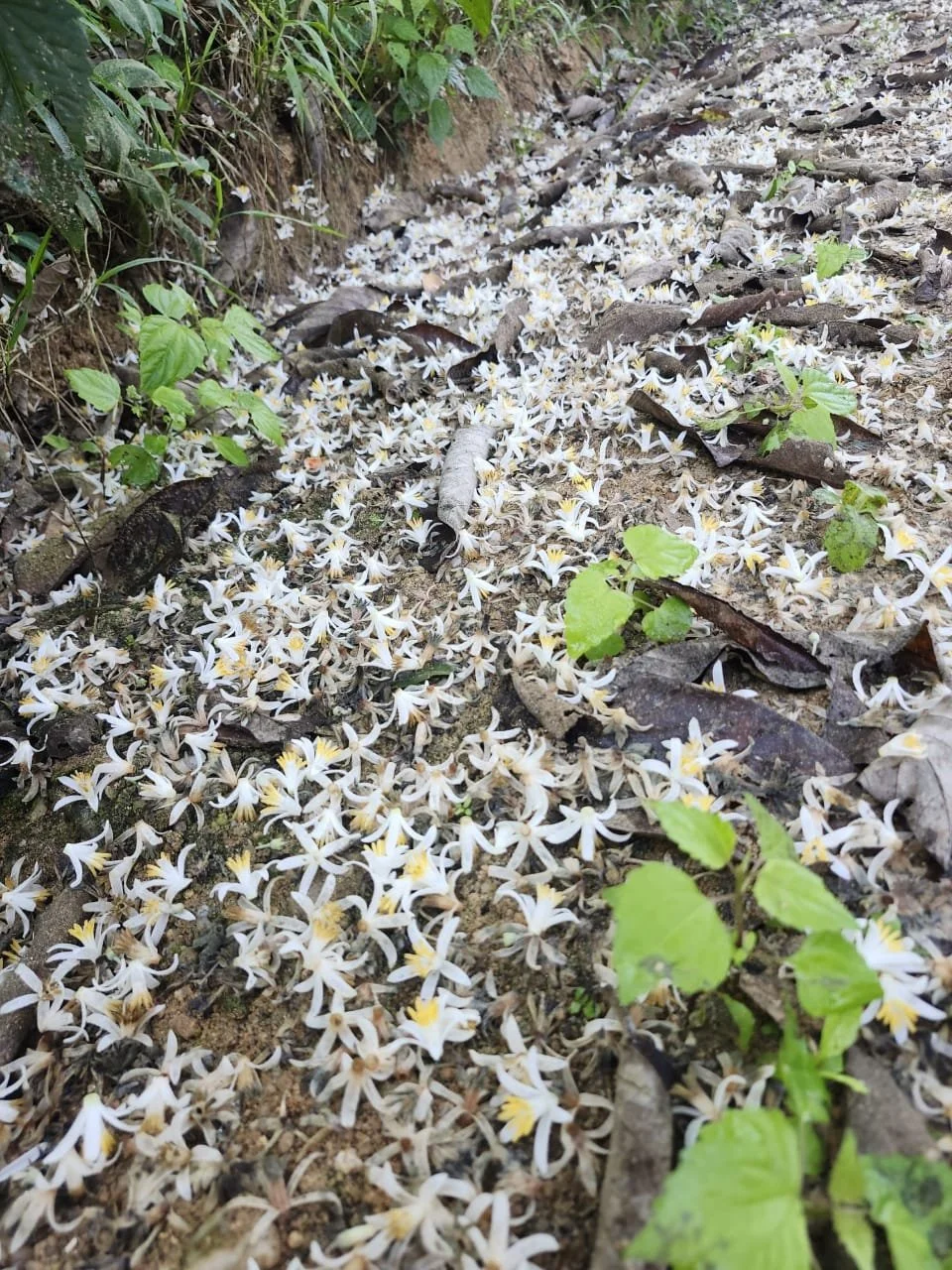
Throughout December and January, the blossoms fall in extraordinary numbers, covering the forest floor in white as though fresh snow had fallen. This beautiful winter carpet is why we call it the Snowbell Tree.
Its flowering season is brief. While the trees are in bloom, our bees gather nectar among the branches, capturing one of the forest’s most fleeting winter blossoms in our honey.
Snowbell Trees
Pacay — The Ice-Cream Bean Tree
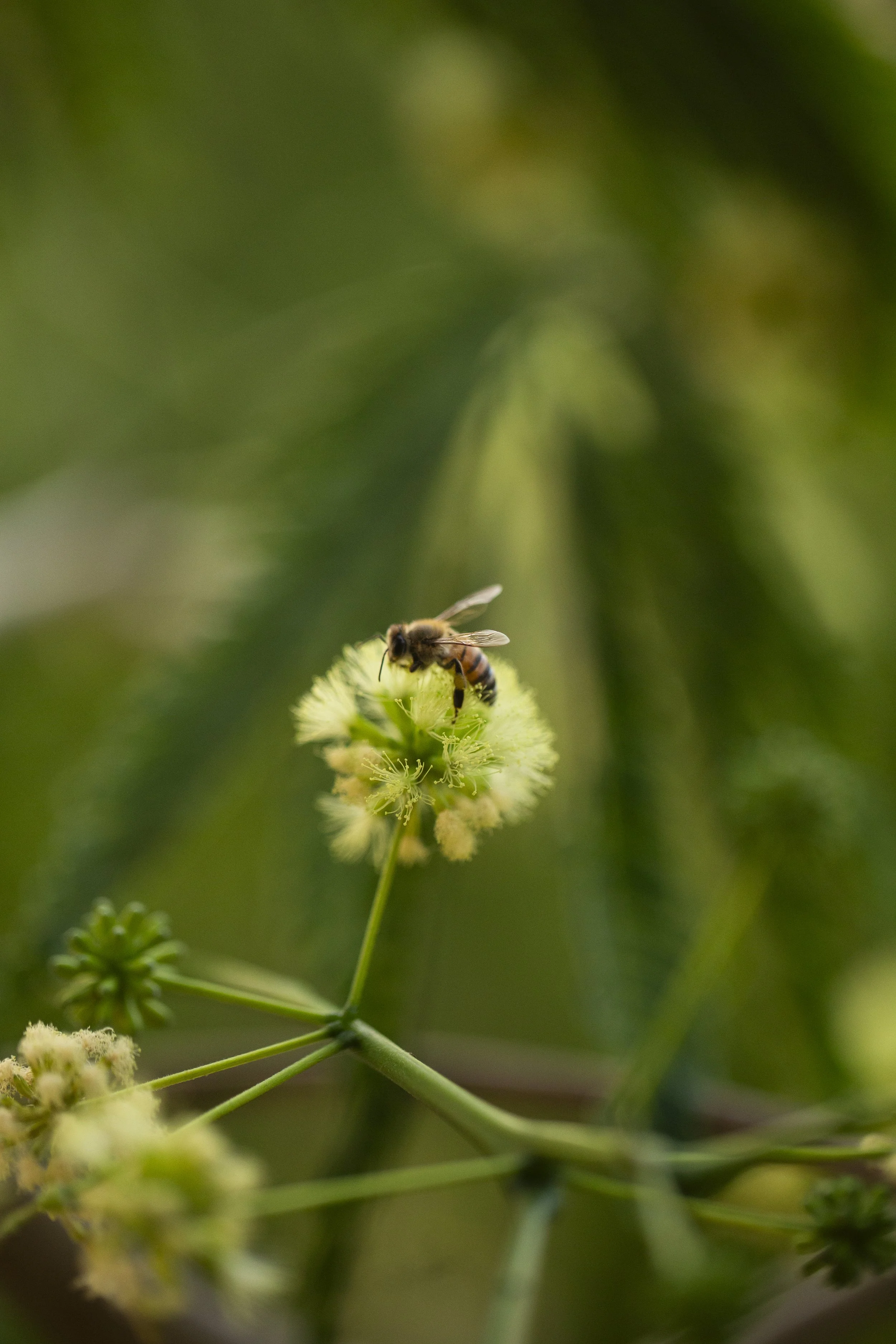
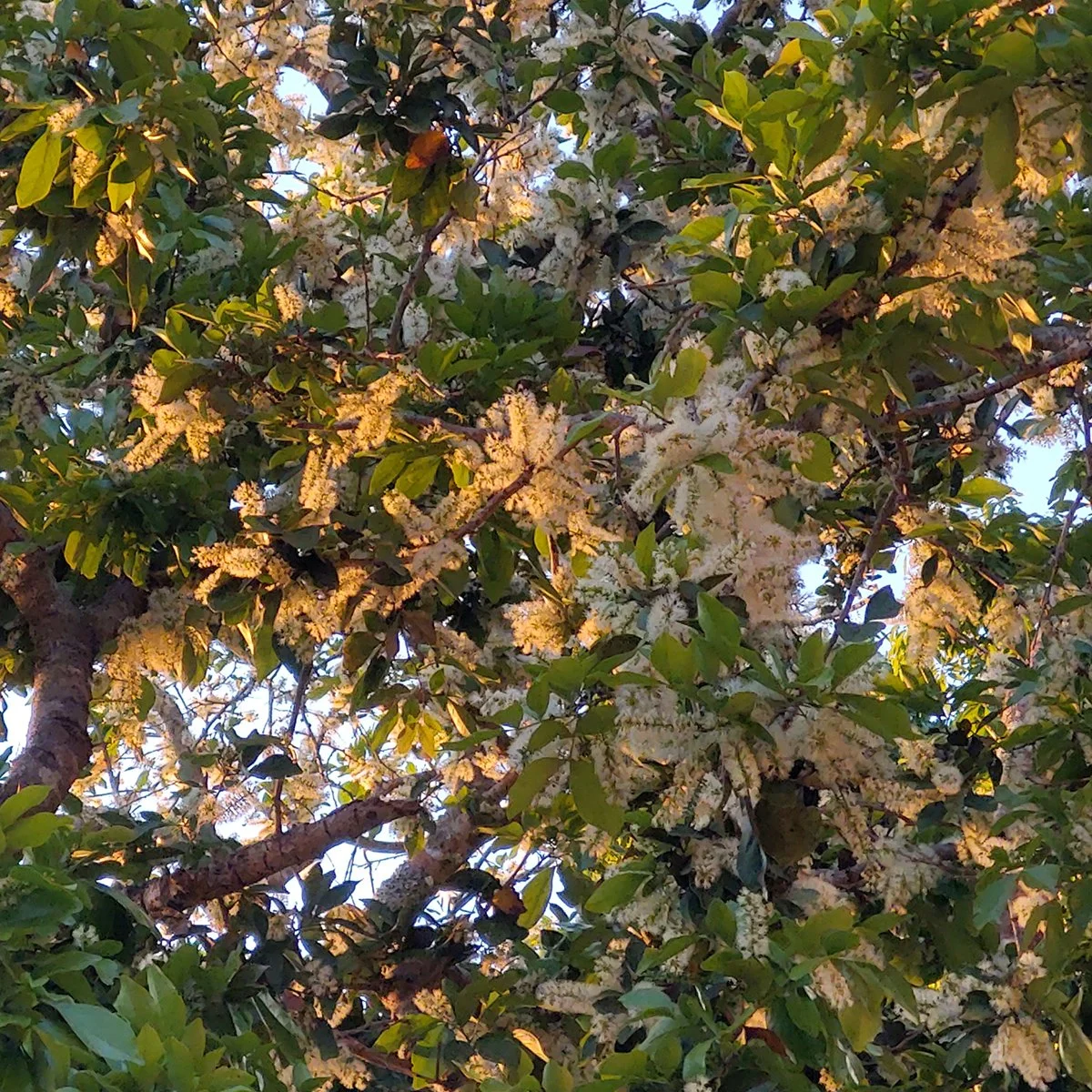
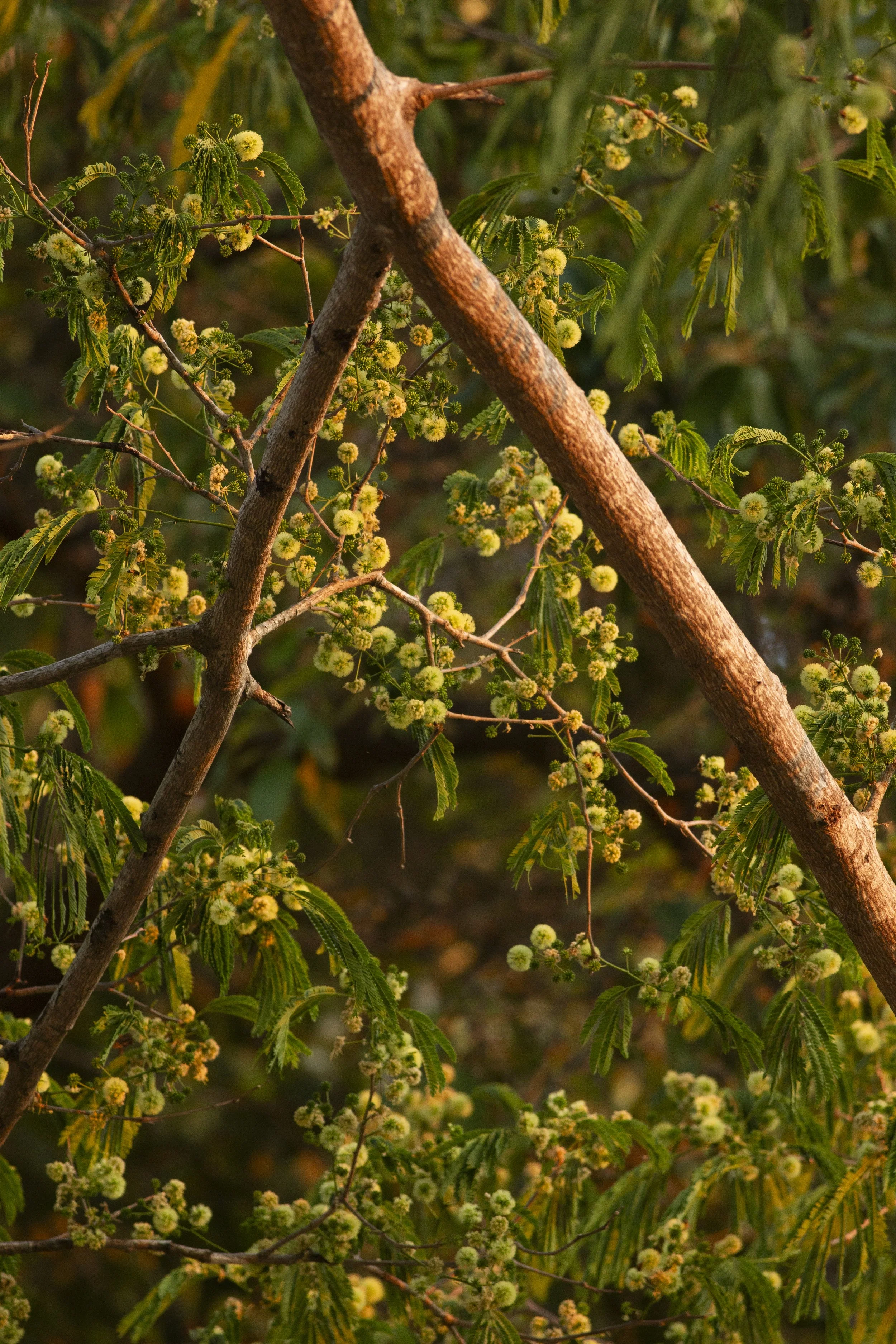
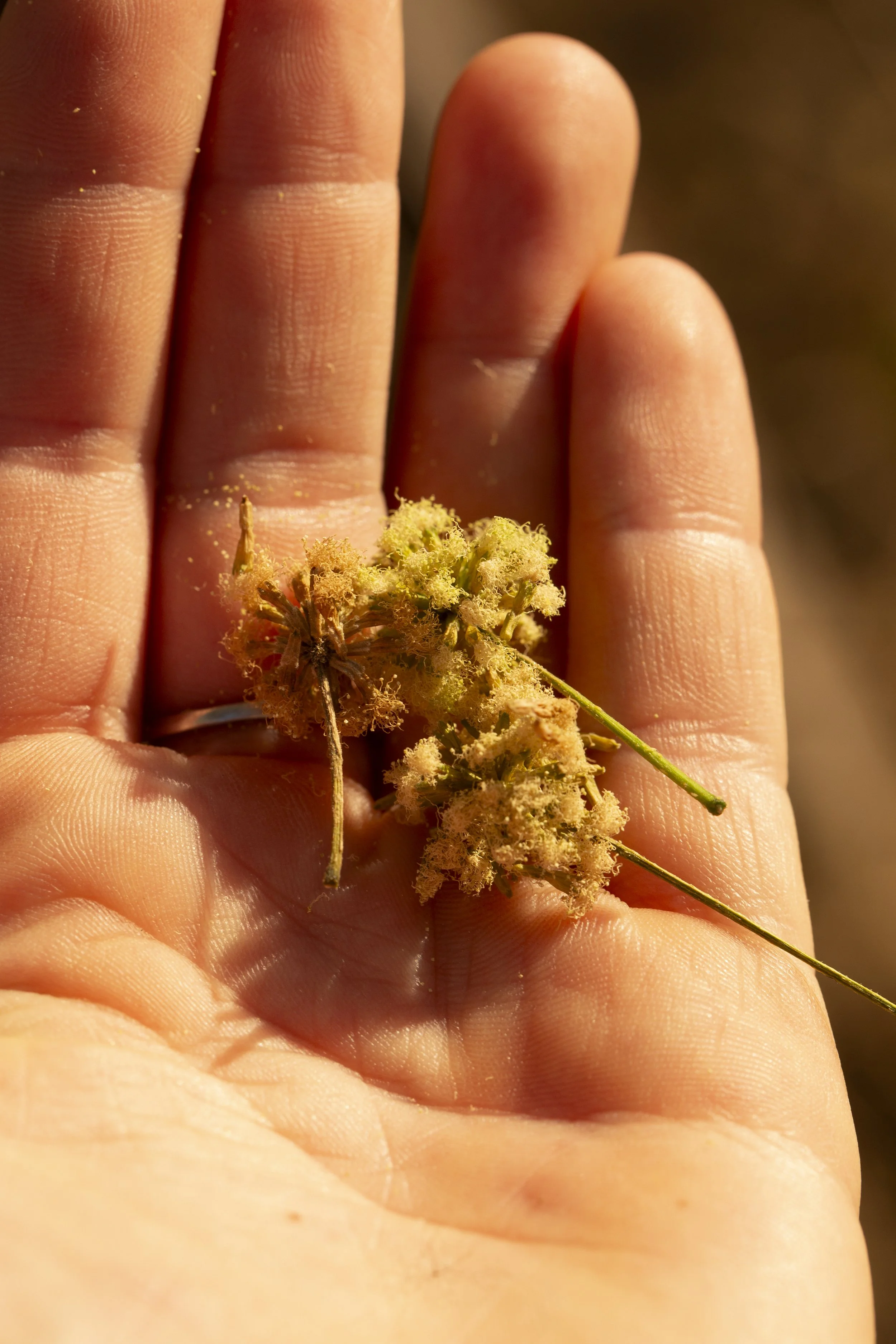
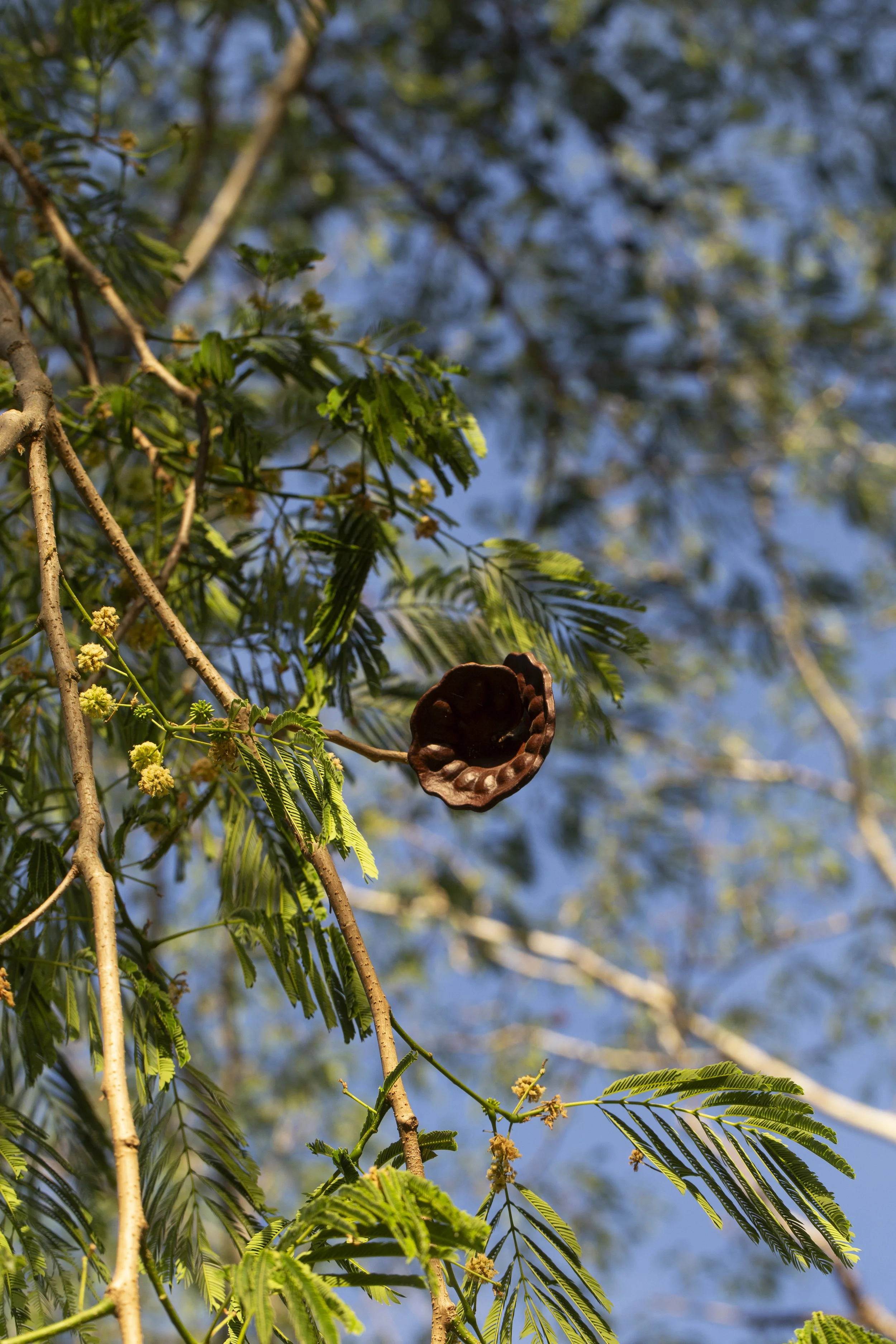
Pacay trees grow throughout the forest surrounding our beehives. They are immense, reaching high into the canopy, and their flowering period can be surprisingly difficult to witness. Finding one covered in blossoms required patience and careful searching through the forest.
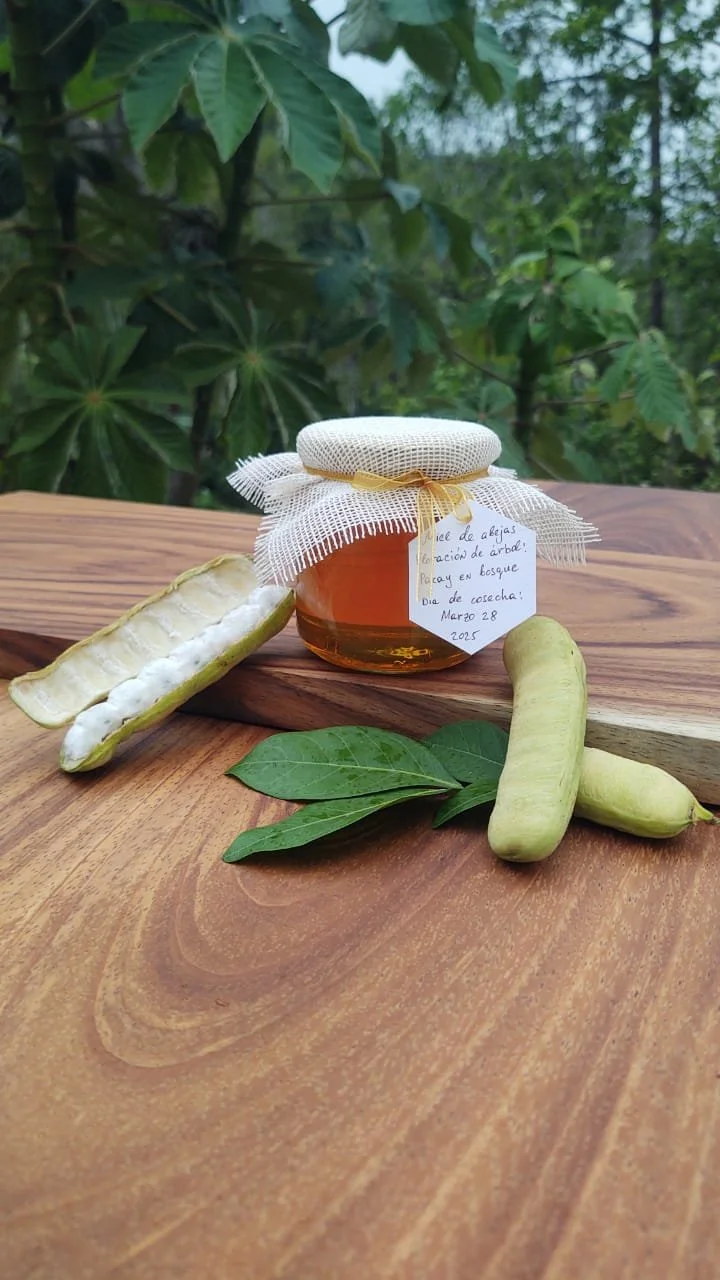
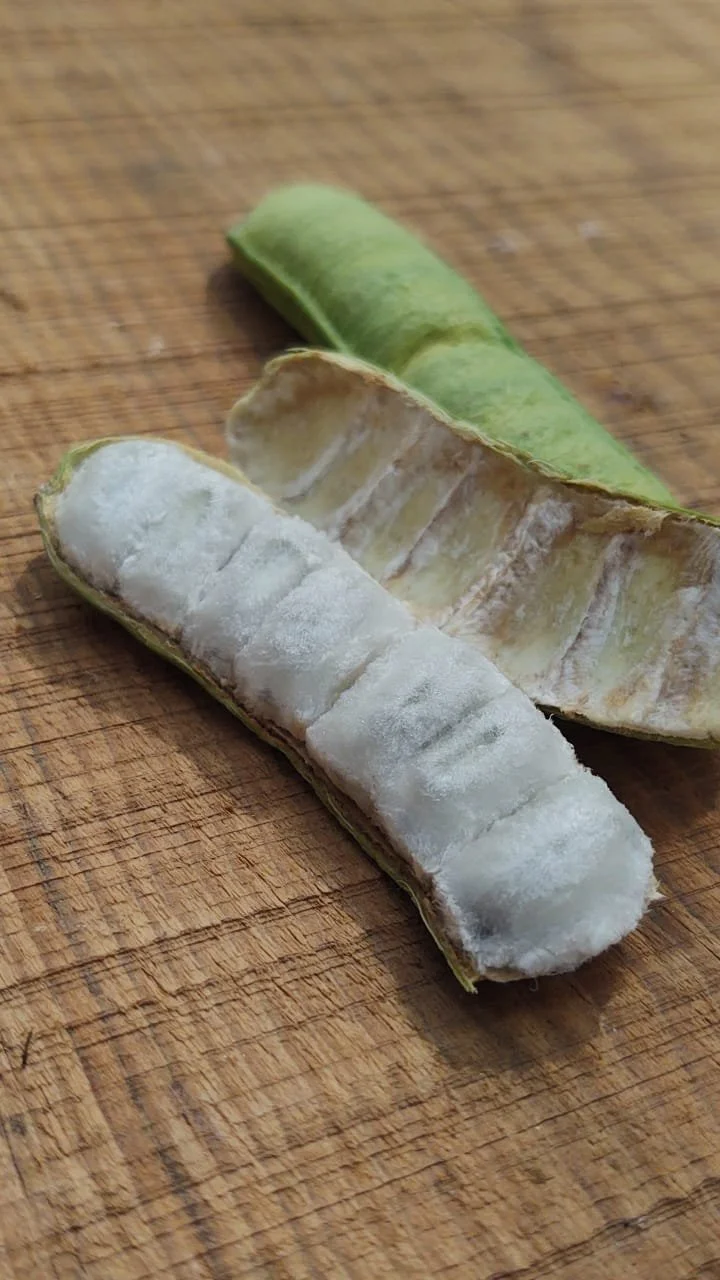
When the Pacay blooms, its branches become covered with delicate white flowers. Later, long green pods develop. Inside each pod is a soft, cottony white pulp—the reason Pacay is commonly known as the ice-cream bean tree.
Our bees live among these trees in the remote Pacific-coast mountains of Cabo Corrientes, far from cities and industry. Their honey reflects this naturally diverse forest and its brief, seasonal blossoms.
Parota — Enterolobium cyclocarpum
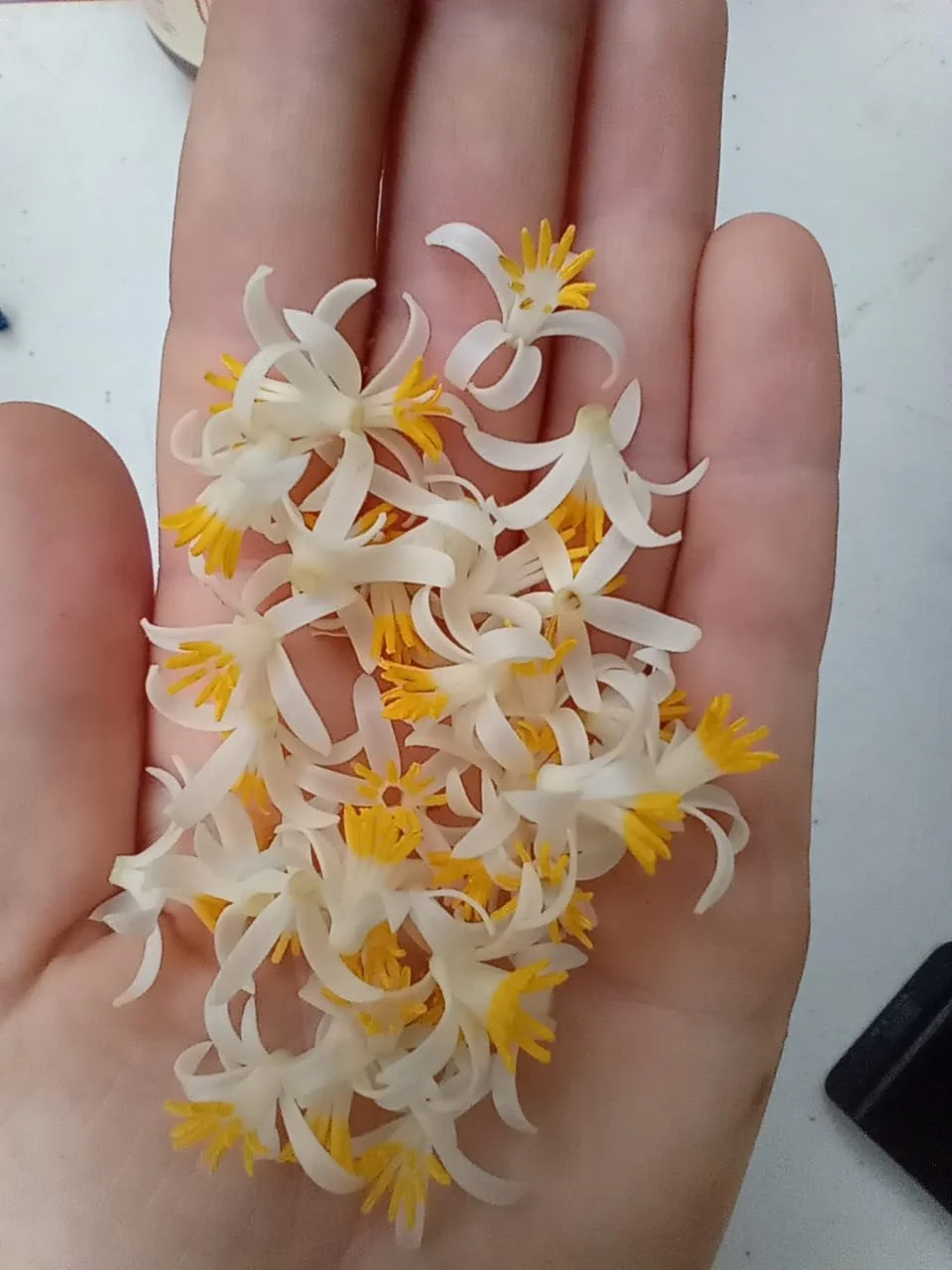
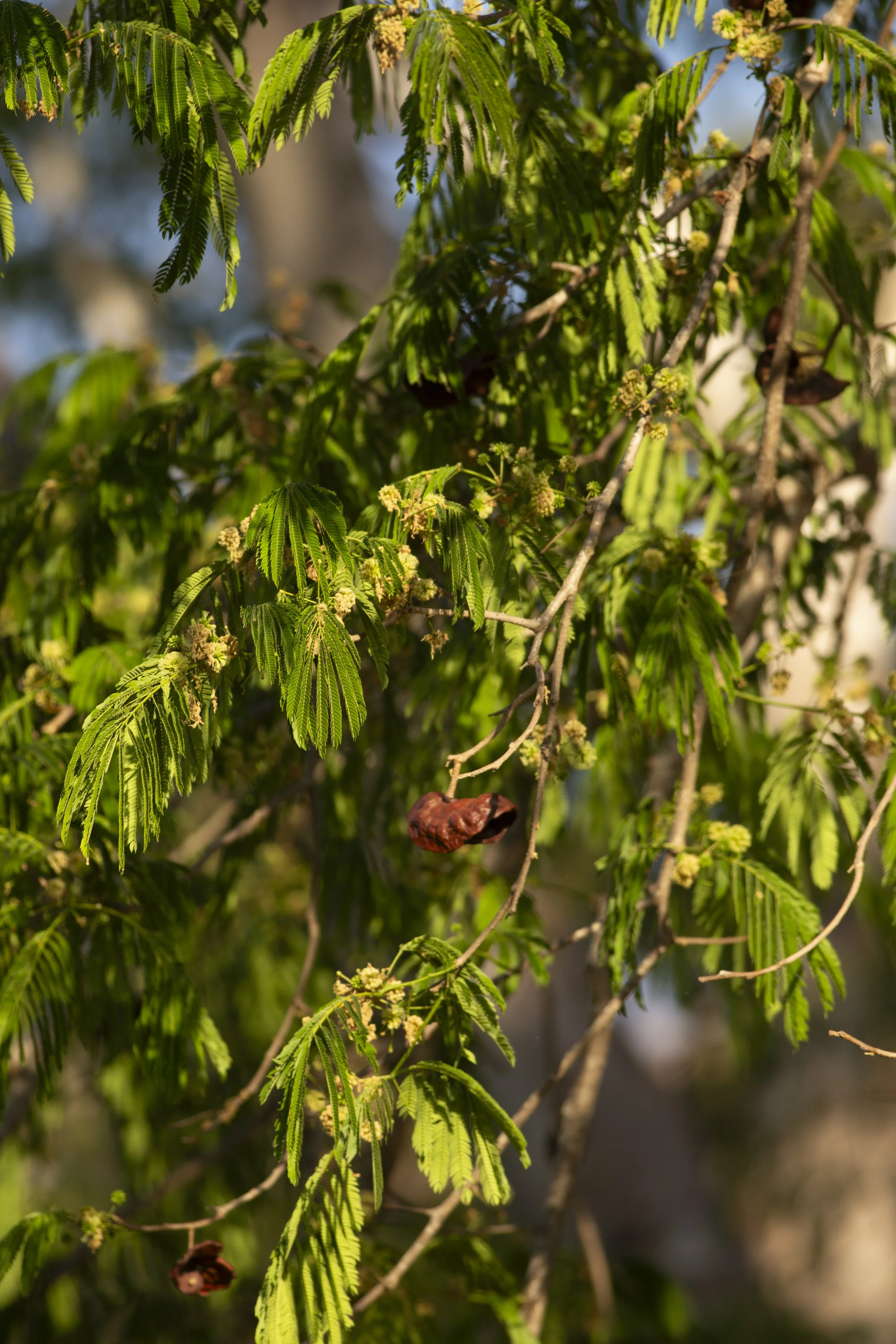
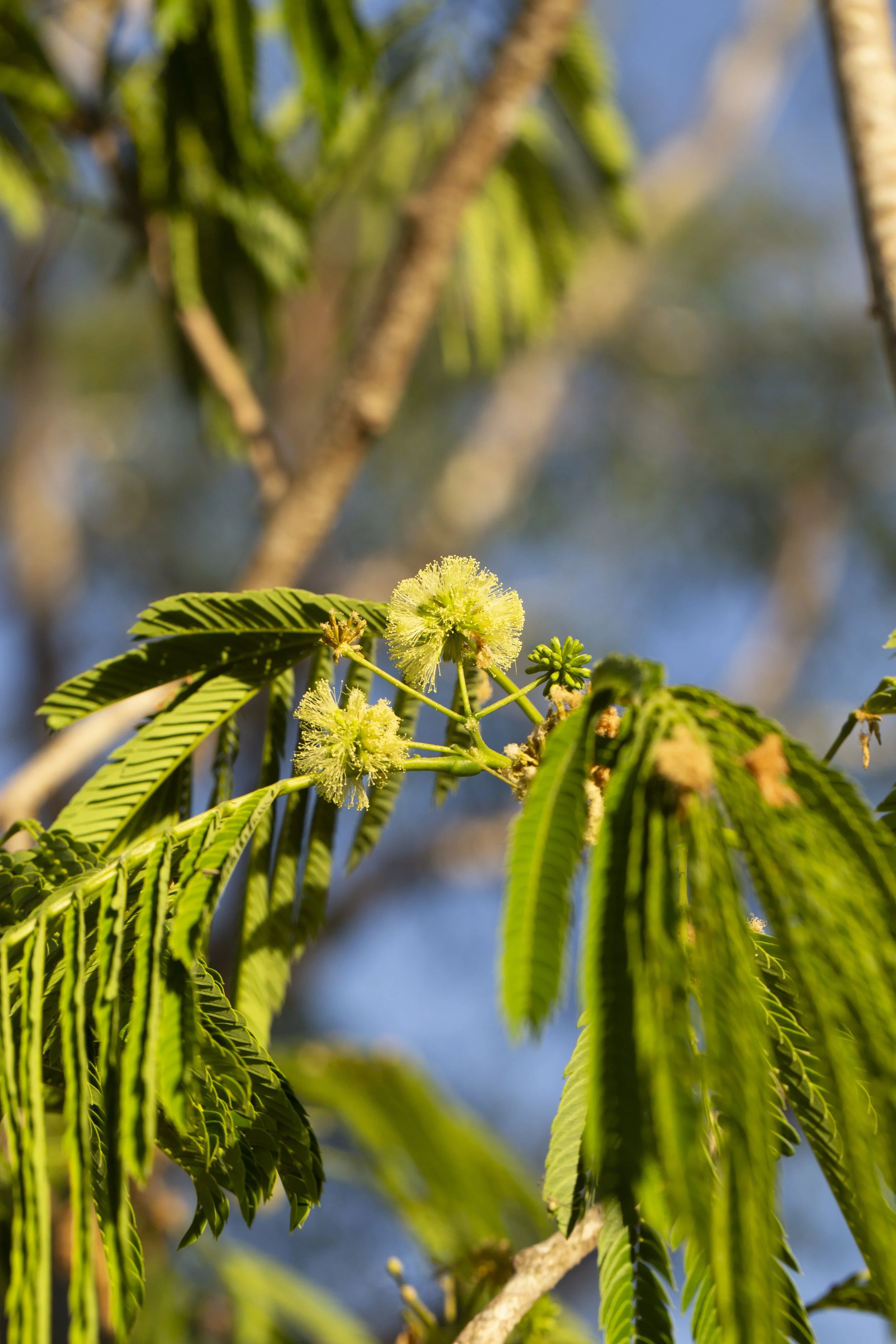
Parota is one of the noble trees growing in our Pacific-coast mountain forest. Its broad canopy provides shelter and habitat, while its delicate flower clusters offer nectar and pollen to our bees. During its flowering season, the bees gather from Parota and neighboring wild oaks, helping create our exceptionally limited Oak & Parota Honey.
Parota is also celebrated for its richly figured wood. Its dramatic grain and warm natural color make it highly desirable for fine furniture and refined interiors. Visitors to Mexico may recognize Parota tables in beautiful homes, hotels and luxury resorts—but every magnificent table begins with a living tree.
Although Parota is presently classified as Least Concern globally, its commercially valuable timber has also appeared in documented cases involving wood without proof of legal origin in Jalisco. We believe these trees deserve responsible management, continued conservation monitoring and protection within their natural forest habitat. Their value is far greater than timber alone: they support wildlife, nourish pollinators and contribute to the rare honey produced in our forest.
Parota Trees
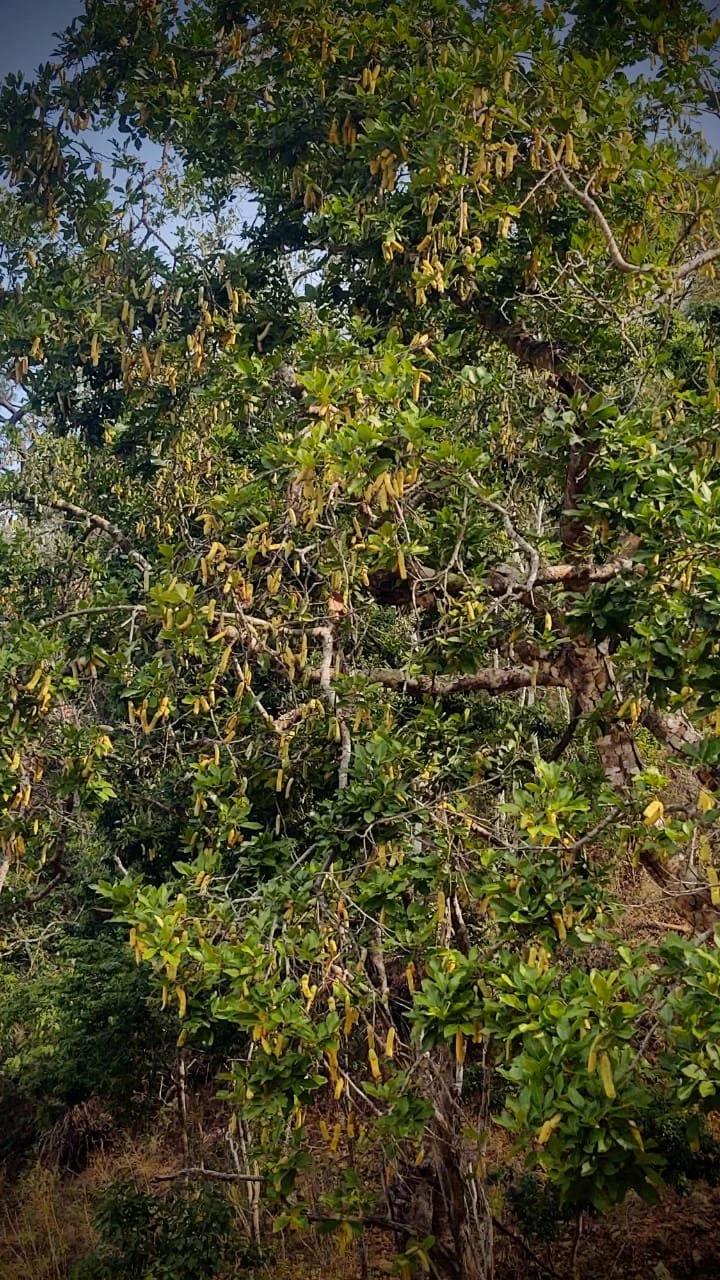
Deep in the mountain forest surrounding our beehives grows a remarkable wild tree we call the Wild Mountain Plum. Its branches fill with delicate cream-colored blossoms only once every two years, making each flowering season an exceptional event.
After the bloom, the tree produces green fruit that may develop a soft brownish-purple blush as it ripens. The fruit has a sweet taste, with a small amount of soft flesh surrounding one large stone.
Because the blossoms return only every other year, the honey from this bloom is equally rare—we cannot harvest it annually. When the flowering season arrives, the honey is bright golden yellow and reveals a distinctive green hue when held to sunlight—a unique expression of our remote Pacific-coast mountain forest.
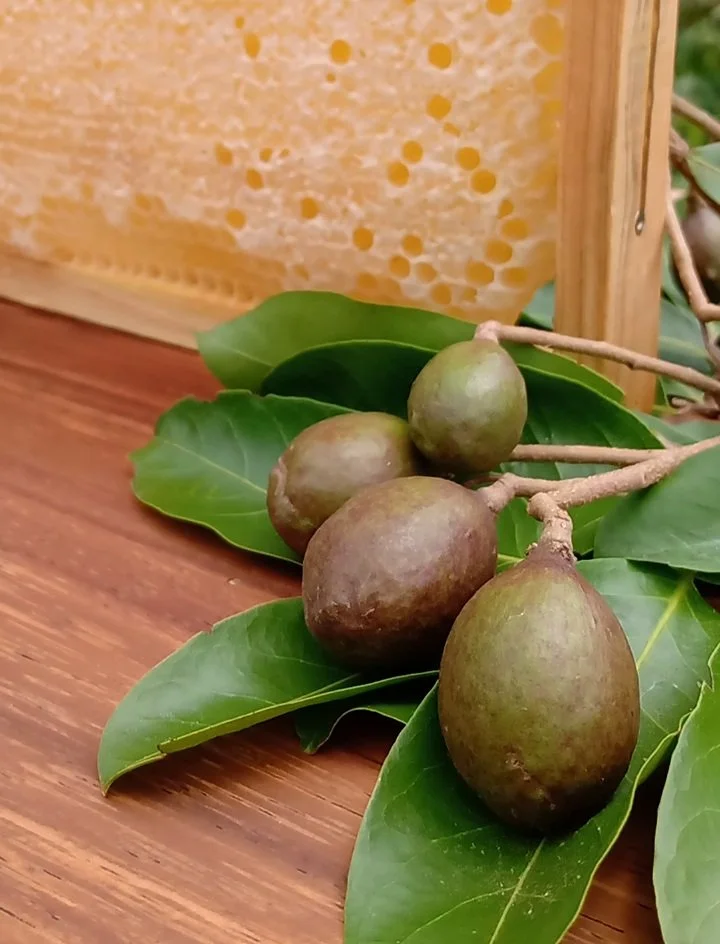
Wild Mountain Plum Tree
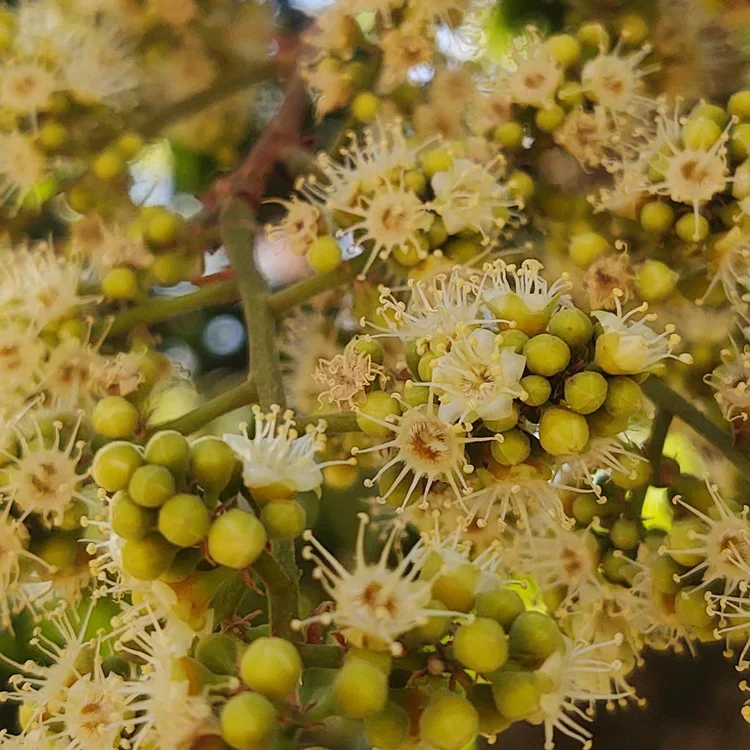
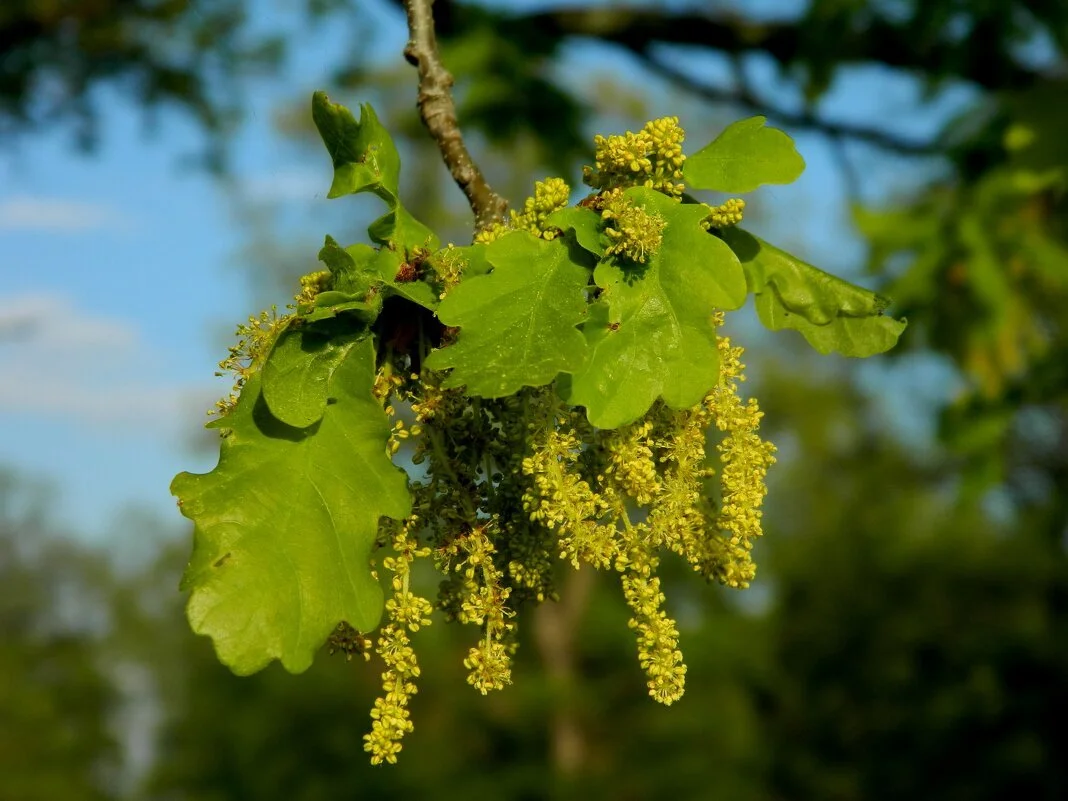
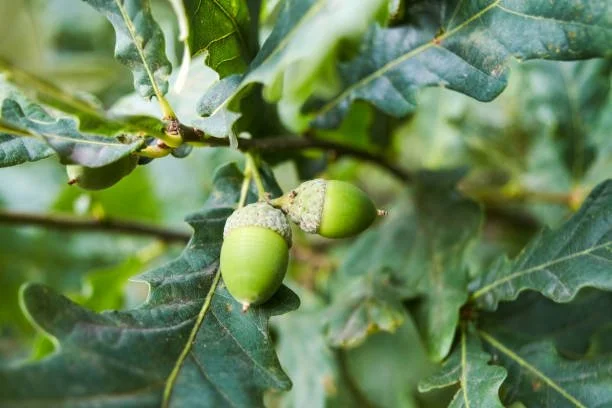
Oak trees grow throughout the mountain forest surrounding our beehives. Their branches carry long clusters of small blossoms before green acorns begin to form. These enduring trees contribute to the rich botanical diversity of this remote forest.
Oak Trees
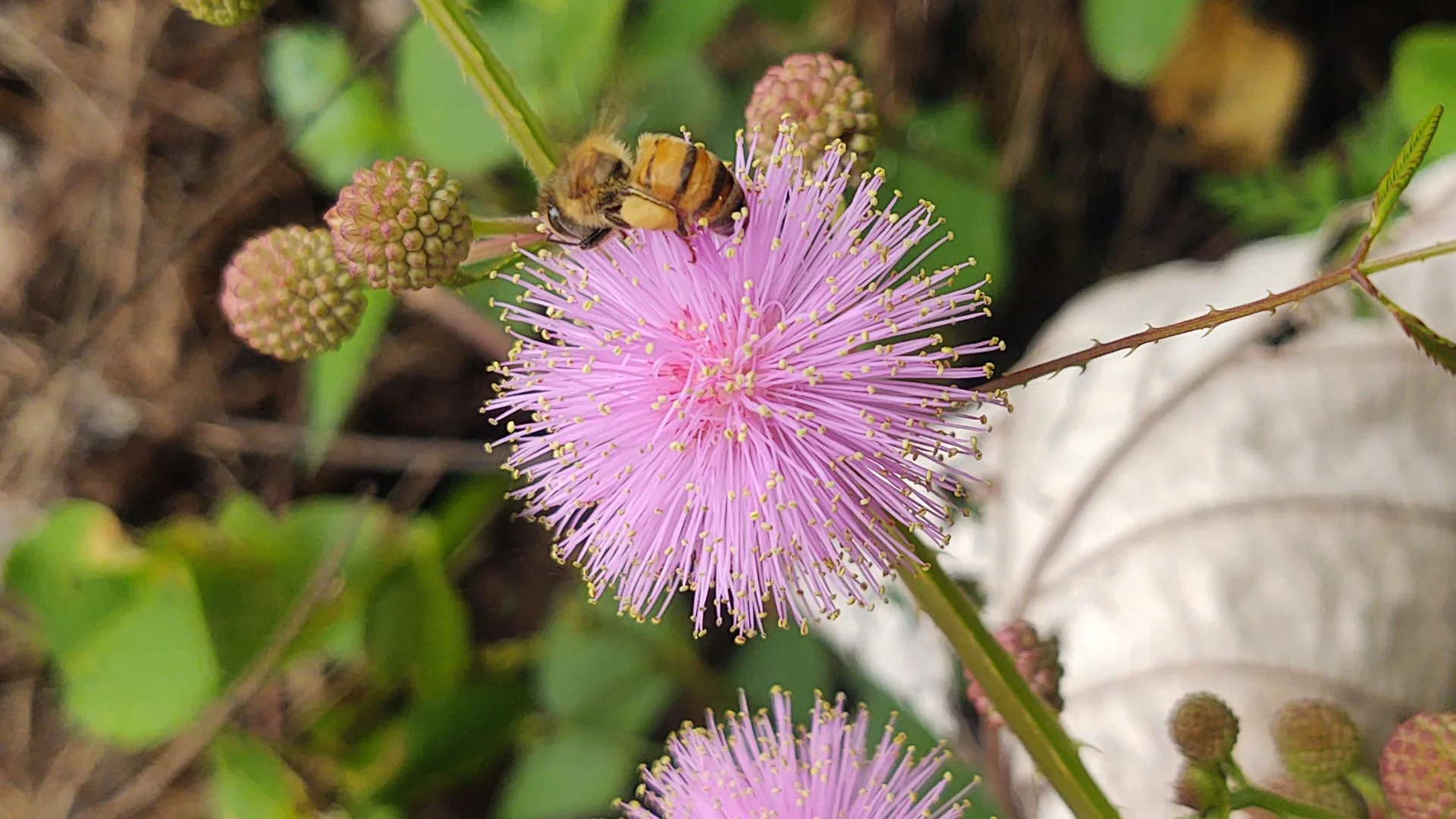
The Touch-Me-Not grows close to the forest floor, opening soft pink, globe-shaped flowers that attract visiting bees. Its delicate leaves fold inward when touched—a remarkable response that gives the plant its familiar name.
Touch-Me-Not
Every photograph on this page is original and was taken by Bosque Honey in the forest surrounding our beehives.